

There is no single price that fits every company website. Cost changes with the page count, design depth, content workflow, required integrations, and post-launch support. Instead of comparing the final number alone, compare what each proposal includes and what your company will actually receive.
Why do company website costs vary?
Two websites may look similar to a visitor while being very different underneath. One may use a ready-made theme with limited changes, while another is planned around the company identity, conversion path, and content management needs. One quote may also include content, languages, and integrations while another covers only basic page implementation.
What should a website quote include?
- Website structure, pages, and enquiry path.
- Interface design and required states.
- Theme, system, and admin development.
- Agreed content entry and image preparation.
- Languages and integrations when required.
- Handover, ownership, access, and training.
- Support or maintenance when included.
Main factors that determine cost
Scope grows with the number of pages, customization level, content volume, languages, accounts and permissions, payment or shipping requirements, and business-system integrations. Content readiness also affects delivery because organized approved content is different from a project that requires full writing and restructuring.
Ready-made theme or custom design?
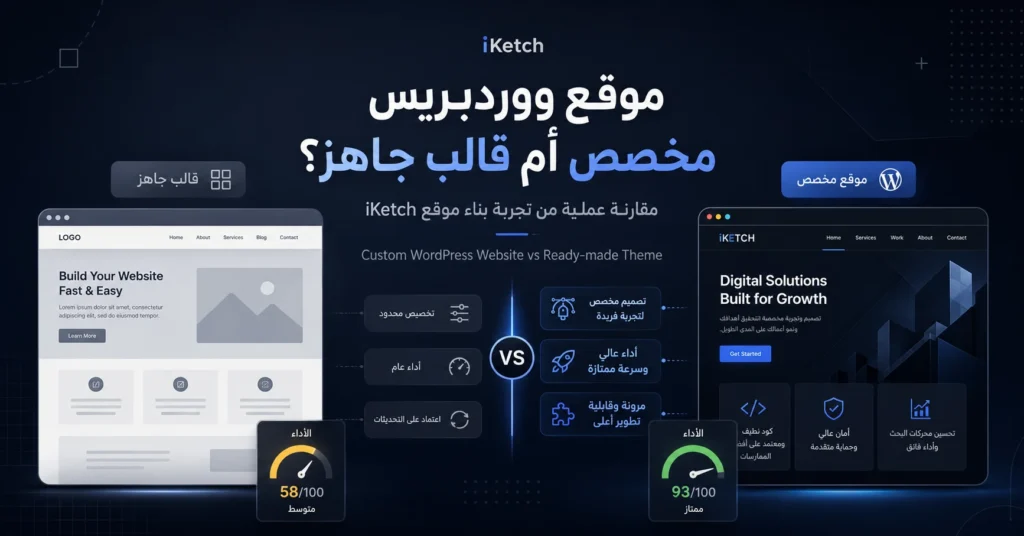
A ready-made theme can suit a project that needs a faster launch and already fits the theme structure. Custom design fits a company that needs a distinct identity, user journey, or management workflow. The right decision is not automatically the more expensive path; it is the level that supports the project without unnecessary complexity.
WordPress or custom development?
WordPress suits many company and content websites where easy editing matters. Laravel or custom development makes sense when the project needs workflows, roles, permissions, and operational logic beyond a conventional website. Next.js may fit an independent interface connected to a CMS or API. Technology should follow requirements.
Content, languages, and integrations
Clarify who writes and translates content, who prepares images, whether page or product entry is included, and whether email, CRM, payment, shipping, or marketing integrations are part of the scope.
What should you receive at handover?
The proposal should define the files, pages, theme or system, login details, domain and hosting ownership, admin permissions, training, and agreed documentation. Do not leave ownership and delivery to vague language.
Support and maintenance after launch
Separate the warranty for implementation issues from ongoing maintenance. Maintenance may include updates, backups, monitoring, and recurring improvements, while initial support focuses on the stability of the delivered scope.
Proposal comparison checklist
- Are pages and functions clearly defined?
- Is the design and customization level clear?
- Are content, languages, and integrations included?
- Are reviews and approvals explained?
- Are ownership, handover, and training written down?
- Are support and recurring costs clear?
- Are there relevant project examples?
Final takeaway
The best proposal is not automatically the cheapest or the most expensive. It is the one that makes scope, responsibilities, and outcomes clear. Review our website design and development service, then share your requirements for a quote based on the actual project scope.